What the two terms actually describe
Pressure washing describes the force and volume used to move soil from a surface. It can be appropriate for some durable concrete, selected masonry, loading areas, sidewalks, and other surfaces after condition, runoff, and nearby finishes are reviewed. The correct pressure is not one universal number. Nozzle choice, distance, flow, temperature, dwell time, and operator control all change the result. Higher pressure does not automatically mean a cleaner or safer building, particularly when windows, sealants, painted surfaces, mortar, EIFS, stucco, landscaping, or occupied entrances are nearby.
Soft washing generally emphasizes a compatible cleaning solution, controlled dwell time, and a lower-pressure rinse. It can be useful for algae-like growth, mildew-like staining, pollen, bird residue, and atmospheric film when the chemistry and substrate are compatible. Soft washing will not fix a failed joint, repair a leak, remove every mineral deposit, restore damaged glass, or make a fragile coating sound. The terms are useful shorthand, but the proposal should explain the actual method for each facade zone rather than selling a label.
Compare the facade materials before choosing pressure
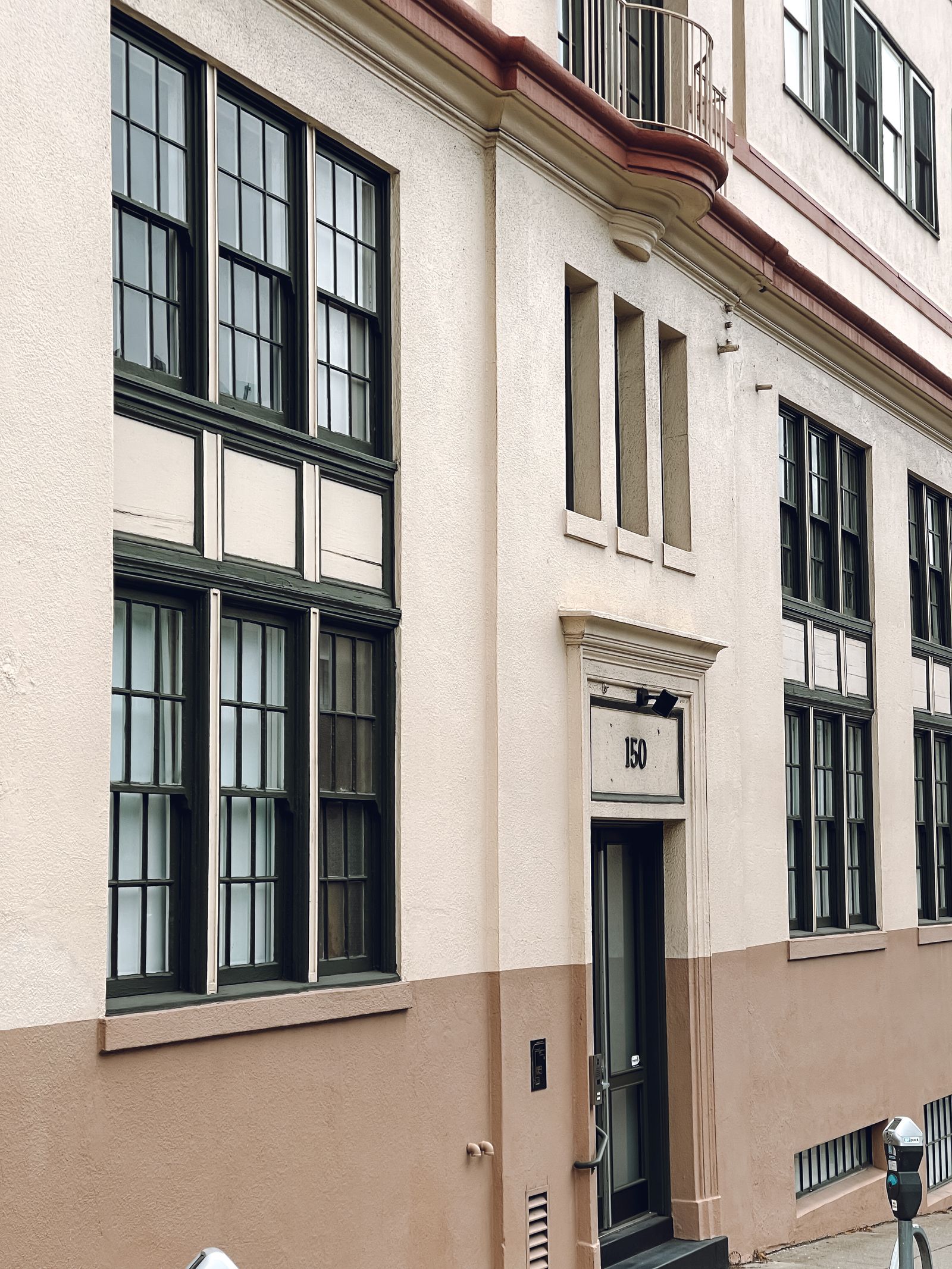
Fort Wayne commercial buildings may combine historic brick, modern brick veneer, mortar, concrete block, precast, cast stone, glass curtain walls, metal panels, EIFS, stucco, painted block, roofing edges, canopies, and sealants. Durable concrete may tolerate a more forceful approach in one area, while adjacent painted metal or jointed masonry may require a gentler method. Older mortar can be weaker than the brick around it. EIFS and stucco can retain moisture or be damaged by aggressive water. Paint can lift at failed edges. Sealants, louvers, electrical components, and air intakes need protection regardless of the cleaning label.
Start with a condition survey and test area when the substrate, coating history, or soil is uncertain. Look for cracks, open joints, efflorescence, spalling, corrosion, loose coatings, failing caulk, water entry, and areas where a gutter or roof edge is sending water down the facade. Cleaning can reveal a condition that was hidden by soil; that is useful information, not a reason to promise that every defect will disappear. A customer-facing property may need a hybrid scope that treats durable lower masonry differently from upper panels, glass, storefronts, or decorative details.
- Brick and mortar are not the same surface and may require different pressure and chemistry.
- EIFS, stucco, painted surfaces, sealants, and glass need protection from aggressive force and incompatible products.
- Concrete, loading areas, and pavement may support a different method than the facade above them.
- A test area helps set expectations when the soil, finish, or substrate history is uncertain.
Use Fort Wayne's weather and soil patterns in the decision
Fort Wayne's seasonal pattern changes what a building needs. Winter salt and brine can collect at curbs, ramps, parking entrances, loading docks, and lower walls beside busy roads. Spring rain and snowmelt can carry that residue across pavement and toward drains. Summer humidity and shade can support organic growth on north-facing or recessed elevations. Tree pollen, bird residue, traffic film, soot, and gutter overflow can look similar from the ground but respond differently to chemistry and pressure. A dark streak under a coping may be a drainage issue rather than a cleaning issue.
Weather also changes how a method can be performed. Wind affects spray drift, drone stability, hose movement, plant protection, and the ability to keep a sidewalk or customer entrance open. Rain can dilute a treatment and move rinse water into an unintended low point. Freezing conditions can turn wet pavement into an access hazard and limit drying. A responsible quote includes weather pause criteria, drying expectations, and a plan for drainage rather than assuming that a sunny forecast alone makes every elevation ready.
Think about access, operations, and drone-assisted work
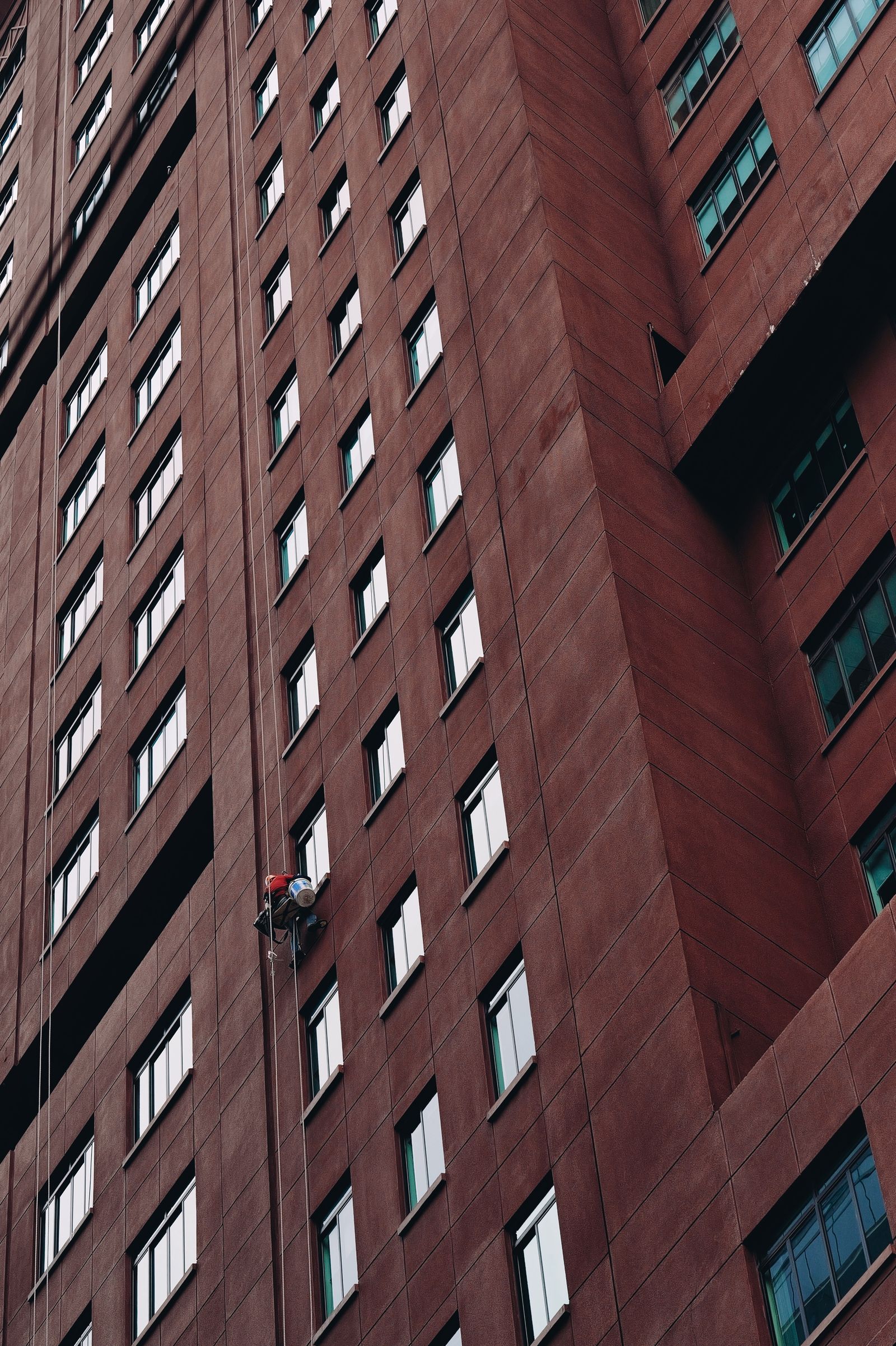
A cleaning method is only workable if the crew can reach the surface while controlling people, equipment, water, and runoff. Downtown Fort Wayne properties may have narrow staging, pedestrians, events, curbside parking, and active storefronts. Retail corridors may have customers crossing drive aisles. Medical facilities may need patient routes and emergency access protected. Warehouses and manufacturers may need the facade sequenced around trailers, forklifts, and production. A lift, pole, hand-detail method, or drone-assisted approach may each solve a different part of the access problem.
Drone assistance can support selected broad upper walls or parapets when there is sufficient stand-off distance, launch space, visual control, ground coordination, and public separation. It does not replace close inspection, contact glass cleaning, scraping, detail work, or repair. Near Fort Wayne International Airport or other aviation activity, the exact site and current requirements must be reviewed. Commercial drone operations must comply with applicable FAA rules and any needed authorization. If wind, wires, trees, roof equipment, neighboring buildings, people, or airspace cannot be controlled, the proposal should recommend another method or a different window.
Compare drainage and environmental responsibilities
Pressure and soft washing both create water that has to go somewhere. The method, product, removed soil, slope, storm inlets, sanitary connections, landscaped areas, and local requirements determine the right controls. Fort Wayne properties may have curb inlets, detention areas, swales, parking-deck low points, and drains that are not obvious from the facade. A storm drain is not automatic permission to discharge treated water. The responsible property team should ask how water will be diverted, collected, recovered, filtered, reduced, protected from landscaping, or otherwise managed when the planned path changes.
The scope should state assumptions and stop conditions. If a gutter is overflowing, a drain backs up, or a gust changes the spray path, the crew needs authority to pause and reassess. Indiana IDEM and local stormwater information can help identify the regulatory context, but a general webpage does not approve a specific private-property discharge. The best method is the one that cleans the intended surface while keeping people, landscaping, equipment, neighboring property, and drainage paths under control.
Ask for a Fort Wayne method comparison in the quote
A useful proposal should compare the recommended approach by elevation and material. Ask which areas are soft washed, which may receive controlled pressure, which need a pole, lift, hand, or glass method, where drone assistance may be used, and what is excluded. Ask how the team identified the soil, what a test area will show, how windows and air intakes will be protected, how runoff will be handled, what weather conditions pause the work, and what may remain after drying. Ask whether a recurring program or phased appearance improvement makes more sense than treating every elevation at once.
Send the Fort Wayne property address, photographs, approximate height, material information, priority elevations, visible stains, water access, drainage details, operating schedule, loading or patient restrictions, and desired timing. Drone Building Cleaners can review offices, hotels, retail centers, medical properties, warehouses, industrial buildings, campuses, garages, and mixed-use sites. Call +1 239-351-2897, email contact@dronebuildingcleaners.com, or use the quote form. The goal is a clear recommendation tied to the building, not a generic promise that one cleaning label solves every surface.