Match the method to Fort Wayne's commercial facade
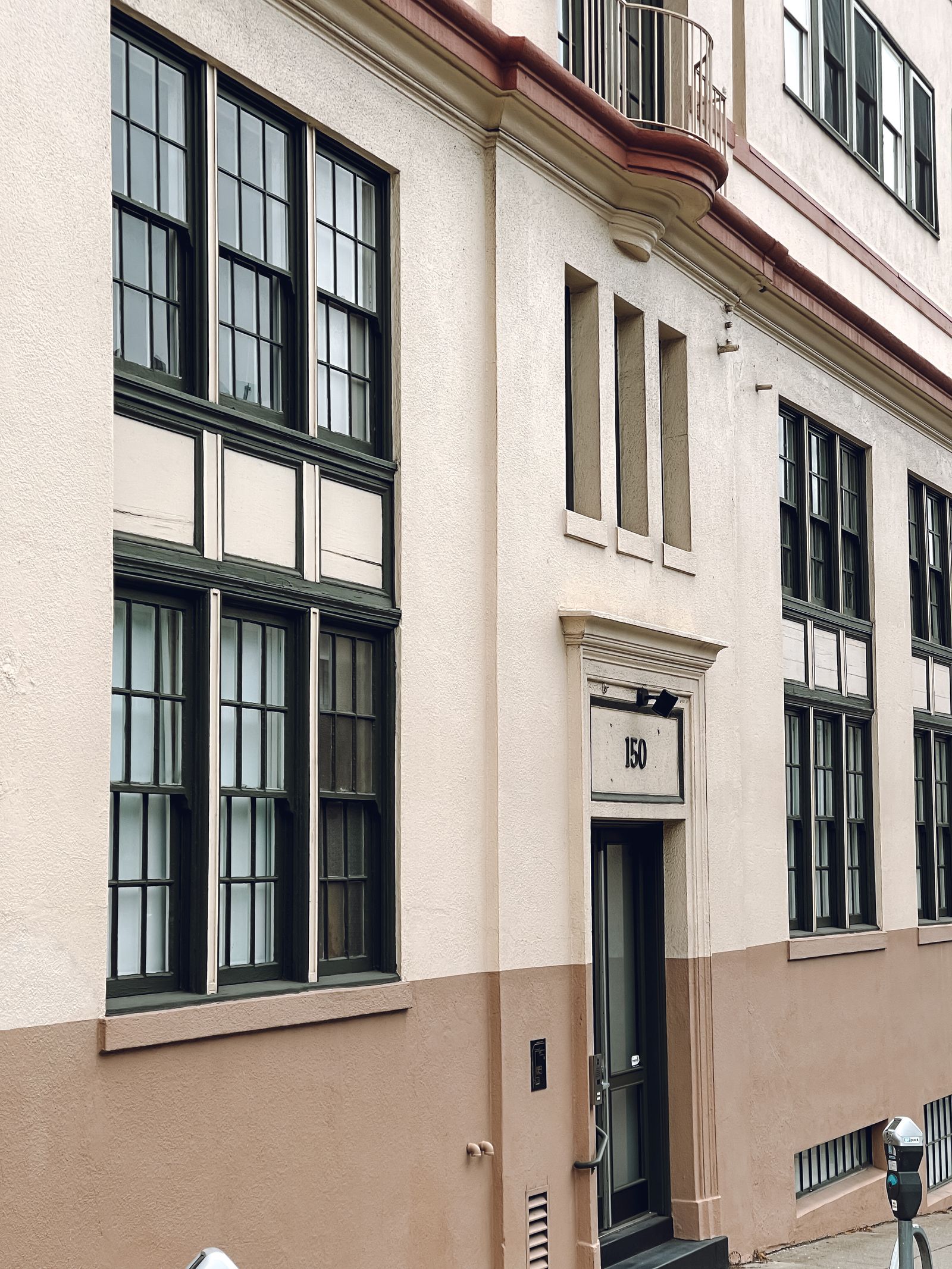
Fort Wayne properties commonly combine older brick, replacement masonry, concrete block, precast panels, glass, metal coping, painted walls, EIFS, stucco, sealants, and repaired areas from different construction periods. A downtown office or hotel may place historic masonry beside storefront glazing and decorative metal. A retail building on Coliseum Boulevard may have broad signs, canopies, sidewalks, and customer traffic. A warehouse near the airport or New Haven may have metal siding, loading docks, truck lanes, and large areas of road film. A medical or senior-care facility may require careful attention to entrances, air intakes, wheelchair routes, patient drop-off, and quiet operating windows. The same pressure and chemistry should not be assumed for every elevation.
Soft washing can be appropriate for compatible algae, mildew-like growth, pollen, bird residue, and atmospheric film. It is not a repair method for failing mortar, spalled concrete, cracked panels, loose coatings, failed sealants, active leaks, or corrosion. A dark mark may be organic growth, soot, oxidation, mineral deposits, salt, or water from a gutter problem. We separate the likely soil from the condition of the substrate, recommend a test area when the finish or coating history is uncertain, and state what improvement is realistic after the surface dries. If a property needs restoration, glass polishing, coating replacement, leak diagnosis, or masonry repair, that should be identified separately from routine washing.
- Separate brick, mortar, concrete, glass, metal, EIFS, stucco, painted, and coated zones.
- Identify whether the visible issue is organic growth, traffic film, salt, minerals, oxidation, or damage.
- Define whether the goal is maintenance, a customer-facing facade reset, or a phased improvement.
- Keep repairs, active leaks, coating failure, and restoration outside a standard wash promise.
Build the work plan around Fort Wayne corridors and property activity
Fort Wayne's districts create different setup requirements. Downtown, West Central, and the Landing can bring pedestrians, restaurants, events, apartments, hotels, curbside parking, and limited staging. The Jefferson Pointe and Illinois Road area may combine retail traffic, restaurant queues, landscaped islands, and multiple storefront entrances. Glenbrook and Coliseum Boulevard properties can have broad frontage, busy drive aisles, sign pylons, and customers moving between neighboring businesses. The Parkview and Dupont Road medical corridors may require patient transport routes, accessible entrances, security procedures, and predictable notices. Industrial and logistics properties near Fort Wayne International Airport, New Haven, and the east-side warehouse network may need the work sequenced around trucks, receiving, employee parking, and production activity.
Before work starts, the property contact should identify doors, accessible paths, deliveries, loading bays, outdoor seating, guest arrival periods, employee entrances, security requirements, air intakes, events, and the person authorized to pause the job. A long wall can be divided so one entrance stays open while another elevation is controlled. A hotel may need guest-facing approaches kept clear during arrival and breakfast. A medical facility may need a written sequence around appointments and emergency access. A warehouse may prefer a window between trailer movements. Cleaning is successful when the exterior improves without making the building's daily operation unpredictable.
Plan for northeast Indiana weather and winter residue
Fort Wayne's weather affects both the appearance of a building and the conditions in which it can be cleaned. Winter salt and brine can collect at garage ramps, parking entrances, curbs, loading docks, and lower walls beside Lima Road, Coliseum Boulevard, and other high-traffic routes. Spring melt can carry residue toward catch basins and low pavement. Freeze-thaw cycles can expose loose masonry, cracked joints, spalled concrete, and water paths that should be documented rather than hidden. Shaded north elevations, recessed entries, and walls below roof overhangs may stay damp longer. Summer humidity and tree cover can support organic growth, while autumn leaves and gutter overflow can create recurring streaks.
Weather is reviewed before each work phase. Wind affects spray drift, hoses, aerial stability, public separation, landscaping protection, and the ability to keep adjacent entrances open. Rain can dilute an application and redirect rinse water. Freezing temperatures, ice, lightning, or rapidly changing conditions can create access and drainage hazards. We review the forecast, wind, surface moisture, temperature, drying time, and the property's actual ground conditions before committing to a window. If the discoloration is mineral, oxidation, salt, or an envelope issue, a routine soft wash may improve appearance without fully removing or repairing the source.
- Review wind, rain, temperature, lightning, ice, surface moisture, and drying before setup.
- Distinguish winter salt and brine from algae, pollen, soot, mineral deposits, and oxidation.
- Look for failed gutters, joints, roof edges, or drainage patterns that are creating repeat staining.
- Set weather pause and reschedule triggers before equipment, barriers, or customer controls are deployed.
Use drone assistance selectively on suitable upper elevations
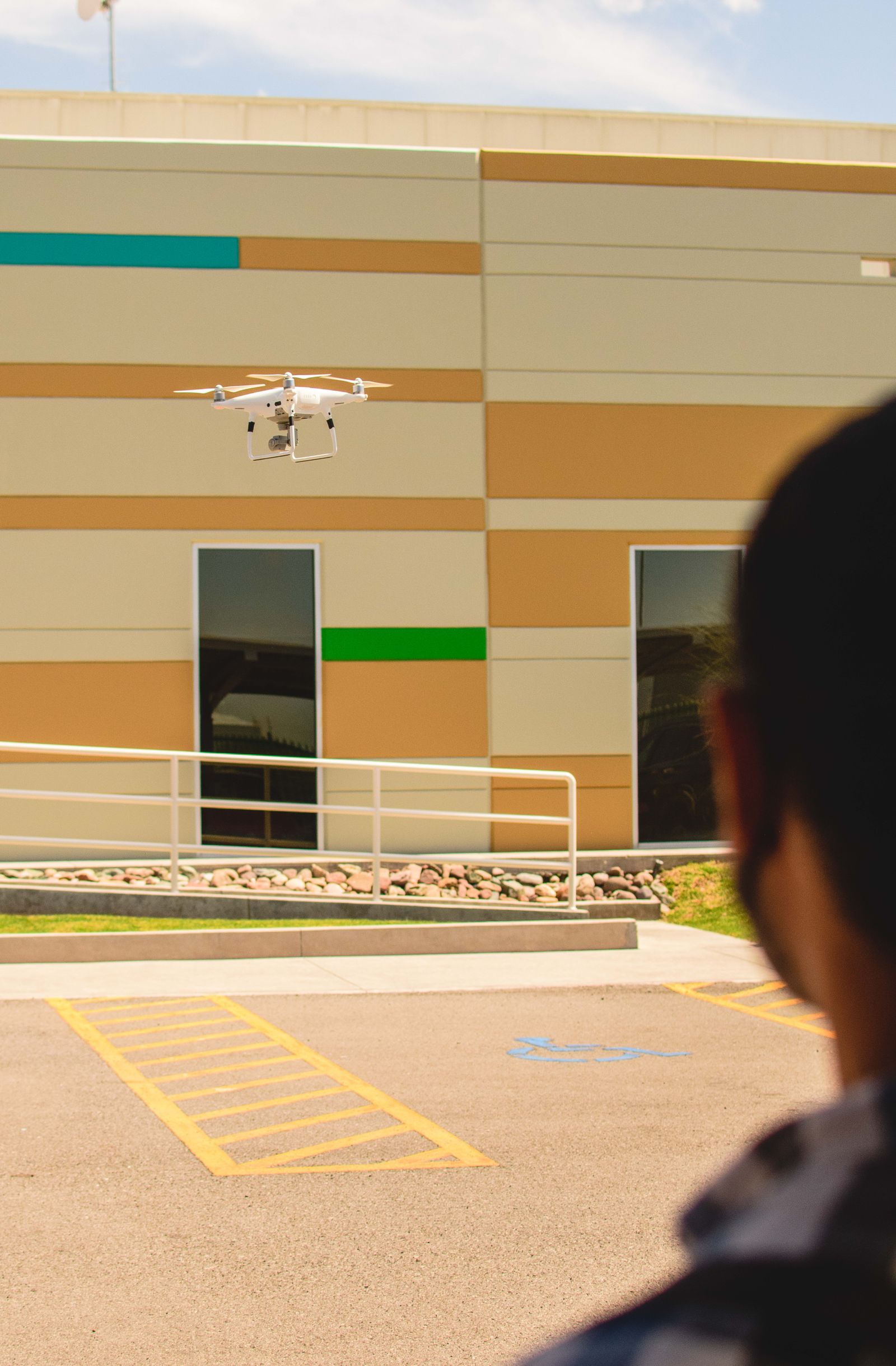
Drone-assisted application or rinsing may support broad upper facade areas when the surface is compatible and the site provides enough stand-off distance, launch and recovery space, visual control, water access, public separation, and ground coordination. On a suitable maintenance wash, that may reduce some lift repositioning for selected parapets, ledges, sign bands, or upper walls. It does not make fragile chemistry safe, confirm concealed facade conditions, squeegee contact glass, scrape bonded deposits, polish mineral marks, brush recessed details, or repair joints. The proposal should state the exact elevations and tasks where aerial support is expected and what remains ground, pole, lift, or hand access.
Fort Wayne sites can have overhead wires, trees, rooftop equipment, balconies, signs, parking structures, neighboring buildings, rail or road corridors, and active aircraft operations near the airport. Airspace, wind, people, vehicles, launch space, and spray drift must be reviewed at the actual address and date. Commercial drone operations must comply with applicable Federal Aviation Administration requirements; property permission does not replace aviation rules or required authorization. If those conditions cannot be controlled, another access method or a different work window may be the responsible choice.
A hybrid scope may use drone assistance on a broad upper wall, a water-fed pole for selected glass, a controlled method on durable concrete, and hand work around storefronts, canopies, entrances, and signs. The right method follows the finish and the building rather than the height alone. We explain where aerial support may help, where it is unsuitable, and what the property team should expect from each included zone.
Protect Fort Wayne people, landscaping, equipment, and drainage
Before water or chemistry is applied, map sidewalks, accessible routes, doors, parking aisles, loading docks, air intakes, cameras, electrical equipment, landscaped beds, outdoor seating, vehicles, and neighboring property. Fort Wayne commercial sites may include curb inlets, detention areas, sloped lots, grass drainage swales, low points beside parking decks, and pavement joints that carry water farther than expected. The field plan should identify hoses, barriers, spotters, protection, water access, emergency paths, and the person who can stop work. If a pedestrian, employee, vehicle, gust, or unexpected flow enters the work area, pausing is part of the plan.
Water management depends on the products used, soil removed, rinse volume, slope, storm inlets, sanitary connections, and site jurisdiction. A storm drain below a facade is not automatic permission to send treated water into it. Fort Wayne and Indiana agencies publish stormwater information, but a general webpage does not approve every discharge at a private property. Depending on the scope, controls may include diversion, collection, recovery, reduced rinse volume, filtration, plant protection, disposal, or coordination with the responsible authority. The quote should state assumptions and stop conditions so facilities staff know how the team will respond when actual flow differs from the initial review.
- Locate drains, low points, landscaping, doors, air intakes, vehicles, and public routes.
- Confirm water access, hose routing, barriers, spotters, and emergency access before setup.
- State the intended water-management approach and the response if runoff behaves differently onsite.
- Document completed zones, remaining deposits, repairs, and areas needing contact or restoration work.
Request a Fort Wayne quote based on the building's priorities
A useful commercial soft-washing proposal should name the service zones, facade materials, visible soil, included features, proposed method, intended finish, exclusions, water assumptions, access approach, work window, weather limits, and closeout documentation. It should distinguish broad facade washing from detailed glass work, hard-water removal, salt or mineral treatment, construction residue, graffiti treatment, coating work, masonry repair, and envelope inspection. If drone assistance is proposed, the scope should describe the site conditions that must be present and the elevations where another method remains necessary.
Send the property address, wide and close photographs, approximate height, priority elevations, known materials, visible concerns, preferred dates, water access, drainage information, and operating restrictions. Include shift changes, truck or production schedules, guest or patient movement, employee parking, events, outdoor seating, security requirements, and prior repair or leak notes. Those details help determine whether a remote review, site visit, test area, or hybrid access plan should come next. We can quote a one-time appearance improvement, a phased customer-facing elevation, or recurring maintenance around the way your Fort Wayne property works.
Drone Building Cleaners reviews Fort Wayne offices, hotels, retail centers, medical and academic properties, industrial facilities, warehouses, campuses, garages, and mixed-use buildings. Call +1 239-351-2897, email contact@dronebuildingcleaners.com, or submit the quote form with your building details. We will explain what can be cleaned, which access method fits, what may remain, and which conditions should be addressed by another professional before work is scheduled.